


Transformational Leadership in Remote Teams: Practical Guide
As organizations increasingly adopt distributed and hybrid work models, leaders must adapt their styles to engage, inspire, and sustain high performance across distance. Transformational leadership—centered on vision, empowerment, and growth—offers a powerful framework for leading remote teams. This guide explains what transformational leadership is, contrasts it with transactional leadership, and provides actionable strategies to apply transformational principles in virtual environments.
What is transformational leadership and why does it matter for remote teams?
Transformational leadership is a people-focused management approach in which leaders motivate and elevate team members by fostering purpose, autonomy, and continuous learning. In remote and hybrid settings, these behaviors are critical because physical separation can erode connection, clarity, and morale. A transformational leader bridges the distance by creating a compelling vision, modeling the right behaviors, and creating systems that support autonomy and creativity.
How transformational leadership differs from transactional leadership
At a glance, transformational and transactional leadership target different organizational needs:
- Transactional leadership emphasizes structure, rules, and rewards tied to specific outcomes. It is effective when processes need tight control and compliance.
- Transformational leadership emphasizes inspiration, innovation, and development. It works best where adaptability, employee initiative, and long-term engagement matter.
Both styles have value. The optimal approach often blends elements of each: use transactional clarity for operational consistency and transformational influence to unlock creativity, long-term commitment, and discretionary effort.
The four core components of transformational leadership (and how they apply remotely)
Academic and leadership literature commonly describe four pillars—often called the 4 I’s—that define transformational leadership. Below, each component is explained with practical remote applications.
1. Idealized Influence (Modeling values and integrity)
Leaders demonstrate the standards they expect. Remotely, that means consistently following through on commitments, communicating transparently, and showing empathy. When leaders model healthy boundaries, work-life balance, and respectful communication, remote team members feel safe mirroring those norms.
2. Inspirational Motivation (Communicating a compelling vision)
Transformational leaders articulate a clear, meaningful purpose. In distributed teams, reinforce this purpose regularly—during stand-ups, in written updates, and in one-on-ones. Connect daily tasks to strategic outcomes so remote employees understand how their contributions move the organization forward.
3. Intellectual Stimulation (Encouraging innovation and learning)
Remote teams thrive when leaders invite diverse perspectives and tolerate low-risk experimentation. Encourage idea-sharing channels, asynchronous brainstorming, and post-mortems that focus on learning rather than blame. Offer opportunities for cross-functional collaboration so team members expand their skills without geographical constraints.
4. Individualized Consideration (Supporting people as individuals)
Transformational leaders tailor support to each person’s needs. In a virtual context, this means frequent check-ins that prioritize the employee’s goals, career development, and well-being. Consider customizing schedules, development plans, and feedback approaches to match each person’s situation.
What measurable benefits can transformational leadership bring to virtual teams?
When practiced consistently, transformational leadership can produce measurable improvements in remote settings, including:
- Higher employee engagement and job satisfaction
- Increased creativity and willingness to experiment
- Improved retention and lower turnover
- Stronger alignment with organizational purpose and goals
- Greater discretionary effort and productivity gains
These outcomes are especially valuable in knowledge-based roles where motivation and autonomy drive output more than direct supervision.
How do you put transformational leadership into practice with remote teams?
Below are concrete, actionable steps you can implement to lead transformatively across distance. Use them as a playbook to create a culture of trust, innovation, and ownership.
- Create and communicate a clear, shared vision. Make the team’s purpose visible: tie projects to business outcomes and celebrate milestones that reinforce the mission.
- Foster psychological safety. Encourage questions, normalize mistakes as learning opportunities, and reward curiosity over perfectionism.
- Empower autonomy with guardrails. Define expected outcomes and allow teams to choose how they reach them—use objectives and key results rather than rigid processes.
- Invest in individualized growth. Allocate time and budget for professional development, mentorship, and role stretch assignments that align with career goals.
- Optimize communications for clarity and rhythm. Establish predictable check-ins, asynchronous update channels, and documentation so remote workers have context without unnecessary meetings.
- Reduce administrative friction. Eliminate repetitive manual tasks and streamline timekeeping, reporting, and invoicing processes through automation and structured workflows to free up creative capacity.
- Measure impact, not face-time. Focus performance conversations on outcomes, quality, and collaboration rather than hours logged. Use transparent metrics tied to team goals.
- Celebrate and recognize progress. Acknowledge contributions publicly and privately—micro-recognition fuels continued motivation across distance.
How can managers balance transformation with necessary structure?
Leaders often worry that a focus on autonomy will produce chaos. The solution is to pair transformational practices with selective transactional mechanisms:
- Use clear role definitions and service-level expectations to maintain consistency.
- Establish simple escalation paths so decisions move forward quickly.
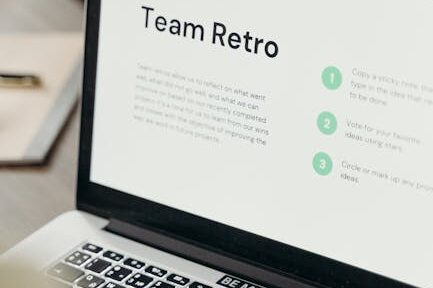
- Embed regular rituals—sprint planning, demos, retrospectives—to provide cadence without micromanagement.
This blend allows teams to experiment within reliable boundaries, giving them the freedom to innovate while preserving operational efficiency.
Common challenges and how to overcome them
Transitioning to a transformational approach in remote contexts can surface obstacles. Here are typical challenges and practical remedies:
Challenge: Reduced visibility into daily work
Solution: Shift to outcome-based reporting, and establish lightweight progress indicators that inform but don’t micromanage.
Challenge: Uneven adoption across teams
Solution: Provide coaching for managers, demonstrate early wins, and create a community of practice where leaders share case studies and templates.
Challenge: Administrative overload limiting creative work
Solution: Audit recurring tasks and remove or automate manual steps. Delegate operational responsibilities and centralize routine processes so individual contributors can focus on high-value work.
Practical examples: Transformational behaviors you can start today
- Host a monthly “vision session” where teams connect their projects to the company’s strategic goals.
- Run regular peer-learning sessions where employees present lessons from experiments or failures.
- Schedule quarterly career conversations focused on individual aspirations, not just performance ratings.
- Create a lightweight recognition program that highlights innovative ideas and team collaboration.
How do you measure progress when leading transformatively?
Measurement should reflect both outcomes and the conditions that produce them. Useful indicators include:
- Engagement survey scores and qualitative feedback
- Retention rates and voluntary turnover trends
- Velocity and quality metrics for team deliverables
- Number and impact of employee-led initiatives or experiments
Complement metrics with narrative data collected in one-on-ones and team retrospectives to capture nuance.
Related reading
For leaders building or improving remote practices, the following guides offer practical frameworks that complement transformational leadership:
- Mastering the Art of Managing Virtual Teams — techniques for coordination and culture across distance.
- Maximizing Efficiency in Remote Work Environments — workflow and productivity strategies for distributed organizations.
- Remote Employee Monitoring: Boost Productivity & Trust — best practices for balancing oversight and trust.
Final checklist: Implementing transformational leadership with your remote team
Use this short checklist to begin shifting your leadership approach:
- Draft a concise team vision and share it in multiple formats.
- Schedule structured one-on-ones focused on growth and well-being.
- Introduce an outcomes-based reporting method to replace time-centric measures.
- Automate or remove repetitive administrative tasks to free capacity for creative work.
- Launch a pilot program encouraging safe, low-cost experiments and share learnings.
Ready to lead remotely with transformation and impact?
Transformational leadership is not a single program—you build it gradually by modeling values, empowering autonomy, and investing in people. When applied thoughtfully, it increases engagement, spurs innovation, and strengthens alignment across virtual teams. Start small: pick one behavior from this guide, measure the effect, and iterate.
If you want tailored guidance on implementing transformational leadership practices in your distributed teams, connect with our leadership consultants at Tempus Tact for a practical roadmap and hands-on coaching. Empower your team to innovate and thrive—begin the transformation today.