

14 Employee Incentive Programs That Boost Engagement, Retention, and Productivity
Every organization is an ecosystem made of people, processes, and purpose. Unlike mechanical systems, this ecosystem responds to motivation, recognition, and meaningful incentives. Thoughtfully designed employee incentive programs transform engagement, increase retention, and lift team performance. This article outlines 14 proven incentive ideas—both monetary and non-monetary—along with implementation tips and pitfalls to avoid.
What are the most effective employee incentive programs?
Effective programs align with company goals, respect employee preferences, and are fair, transparent, and measurable. Below are 14 incentive programs organized by category, with practical steps to implement each one.
Recognition & Social Rewards
1. Personalized appreciation and public recognition
Simple, sincere recognition often has the largest impact. Managers who send personalized appreciation notes or publicly acknowledge achievements create psychological safety and reinforce desired behaviors. Use company meetings, newsletters, or social channels like LinkedIn to highlight wins.
2. Peer-to-peer recognition
Encourage colleagues to recognize each other through a formal peer-recognition program or an internal shout-out board. Peer recognition builds community and spreads appreciation beyond hierarchical lines.
Financial & Performance-Based Rewards
3. Performance bonuses and spot awards
Monetary rewards deliver immediate reinforcement. Structure performance bonuses around clear KPIs—sales targets, project milestones, or customer satisfaction metrics—and communicate how rewards are earned to avoid ambiguity.
4. Profit sharing or team-based bonuses
When the whole team benefits from company success, collaboration increases. Profit sharing or pooled bonuses tied to business results encourage shared ownership and reduce silos.
Time & Experience Incentives
5. Paid time off and sabbaticals
Paid vacations, flexible leave, or sabbatical programs help employees recover, prevent burnout, and return with renewed focus. Time away is a high-value incentive because it signals trust and care from leadership.
6. Company retreats and team-building getaways
Retreats foster deeper connections and improve cross-functional teamwork. Design retreats with a mix of skill-building sessions and informal bonding activities. Consider rotating locations, family-friendly options, or partial stipends to increase accessibility.
Learning & Career Development
7. Professional development stipends
Paying for courses, certifications, or conferences aligns individual growth with organizational capability. Millennials and younger talent often prioritize development when choosing employers—investing in learning increases loyalty and capability.
8. Internal mentoring and leadership tracks
Create structured mentoring programs and clear career pathways. Employees who see how they can grow within your organization are less likely to leave and more likely to invest discretionary effort.
Autonomy, Voice & Ownership
9. Increased job autonomy and decision-making freedom
Giving employees latitude over how they complete work increases ownership and creativity. Define outcomes and guardrails, then let teams choose the best way to deliver results. Research consistently links autonomy to higher productivity and better mood.
10. Suggestion programs and employee-led initiatives
Provide multiple channels—digital suggestion boxes, quarterly innovation forums, or small cross-functional committees—so employees can propose improvements. Close the loop by reviewing, piloting, or rewarding accepted suggestions.
Wellness & Community Engagement
11. Workplace wellness and fitness programs
On-site or sponsored fitness classes, subsidized gym memberships, and guided wellness challenges improve energy, focus, and presenteeism. If budgets are tight, offer recorded sessions, walking groups, or lunchtime wellness talks.
12. Paid volunteering and community service days
Offering paid volunteer days supports employee values and strengthens team bonds. Volunteering boosts empathy and soft skills that translate to improved collaboration at work.
Perks, Culture, & Everyday Comforts
13. Meaningful perks (meals, flexible schedules, on-site conveniences)
Consistent perks—healthy snacks, team lunches, or subsidized meals—create daily goodwill. Flexible schedules, remote-days, and compressed workweeks are powerful non-monetary incentives that enhance work-life balance.
14. Family-friendly policies and occasional surprise gifts
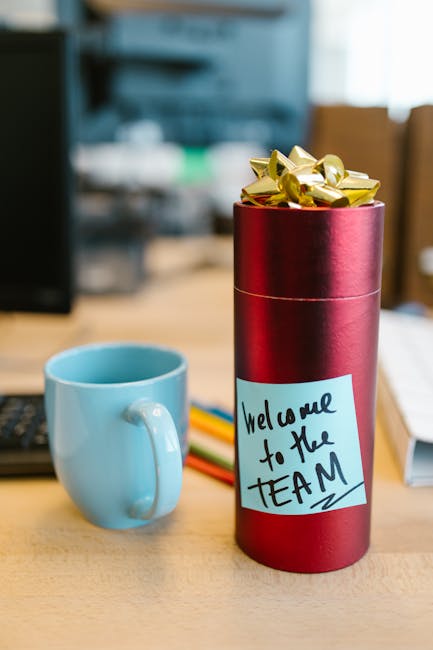
Family-friendly benefits (parental support, childcare stipends, holiday gifts) strengthen loyalty. Occasional, thoughtful surprises—recognition boxes, milestone awards, or anniversary gifts—signal appreciation and build culture.
How to choose the right incentive for your team
Not every incentive fits every organization. Use this 5-step checklist to design programs that stick:
- Survey employees to learn preferences and pain points.
- Align incentives with clear business objectives and KPIs.
- Ensure fairness and transparency in eligibility and measurement.
- Pilot programs with a small group and collect feedback.
- Review impact regularly and iterate—celebrate wins and revise what doesn’t work.
Implementation tips and common pitfalls
Designing incentives requires nuance. Avoid these traps:
- Rewarding outputs alone—this can encourage quantity over quality.
- Lack of transparency—unclear criteria erodes trust and fairness.
- One-size-fits-all rewards—different teams value different incentives.
- Over-reliance on extrinsic rewards—mix monetary and intrinsic incentives for sustained motivation.
How will you measure success?
Track both quantitative and qualitative metrics. Useful KPIs include turnover rates, engagement survey scores, productivity measures, absenteeism, and internal promotion rates. Combine these with employee feedback and case studies that spotlight real behavioral change.
Why incentives must be part of a broader engagement strategy
Incentives are most effective when embedded in strong management practices: clear expectations, consistent feedback, and trust-building. For practical ideas on boosting engagement and productivity, see our post Employee Engagement Activities That Boost Productivity. To align incentives with compensation strategy, review Employee Compensation Plan: Strategy to Attract Top Talent. And if you need frameworks to measure and improve team output, our guide Boost Efficiency: The Ultimate Guide to Employee Productivity Tracking offers practical measurement approaches.
Quick FAQ (featured snippet-friendly)
What incentive motivates employees the most?
There’s no single best incentive—motivation depends on employee values and role. However, common high-impact incentives include clear recognition, meaningful bonuses, career development opportunities, and time-off benefits. A combined approach tailored to your workforce typically performs best.
Sample 90-day pilot plan
Try a short pilot before scaling:
- Weeks 1–2: Survey staff and select two incentives to pilot (one monetary, one non-monetary).
- Weeks 3–8: Launch pilot with clear KPIs and weekly check-ins.
- Weeks 9–12: Collect feedback, analyze results, and refine the program.
Conclusion
Well-designed employee incentive programs create cascading benefits: improved engagement, reduced turnover, stronger teamwork, and measurable productivity gains. Balance monetary rewards with recognition, career development, autonomy, and wellness initiatives. And remember—continuous feedback, transparency, and alignment with company goals are the keys to long-term success.
Ready to design incentives that deliver?
Start small, measure impact, and iterate. If you want a ready-made checklist and a 90-day pilot template to implement the right incentives for your team, download our free toolkit and schedule a consultation with our employee engagement experts.
Call to action: Download the free Incentives Toolkit and start piloting an employee incentive program that drives measurable results—get your team energized today.